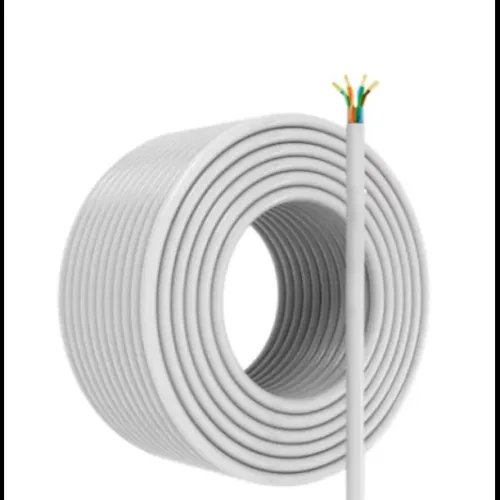


Electrical connections are not always installed in straight, fixed routes. Some applications require cables that can bend conveniently, pass through compact spaces or connect equipment where easier handling is important. This is where round copper flexible cable becomes particularly useful.
For electrical installers, equipment manufacturers and contractors in Delhi, understanding flexibility and conductor construction can make cable selection more accurate.
What Is Round Copper Flexible Cable?
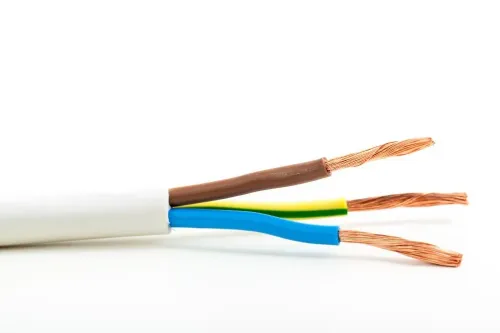
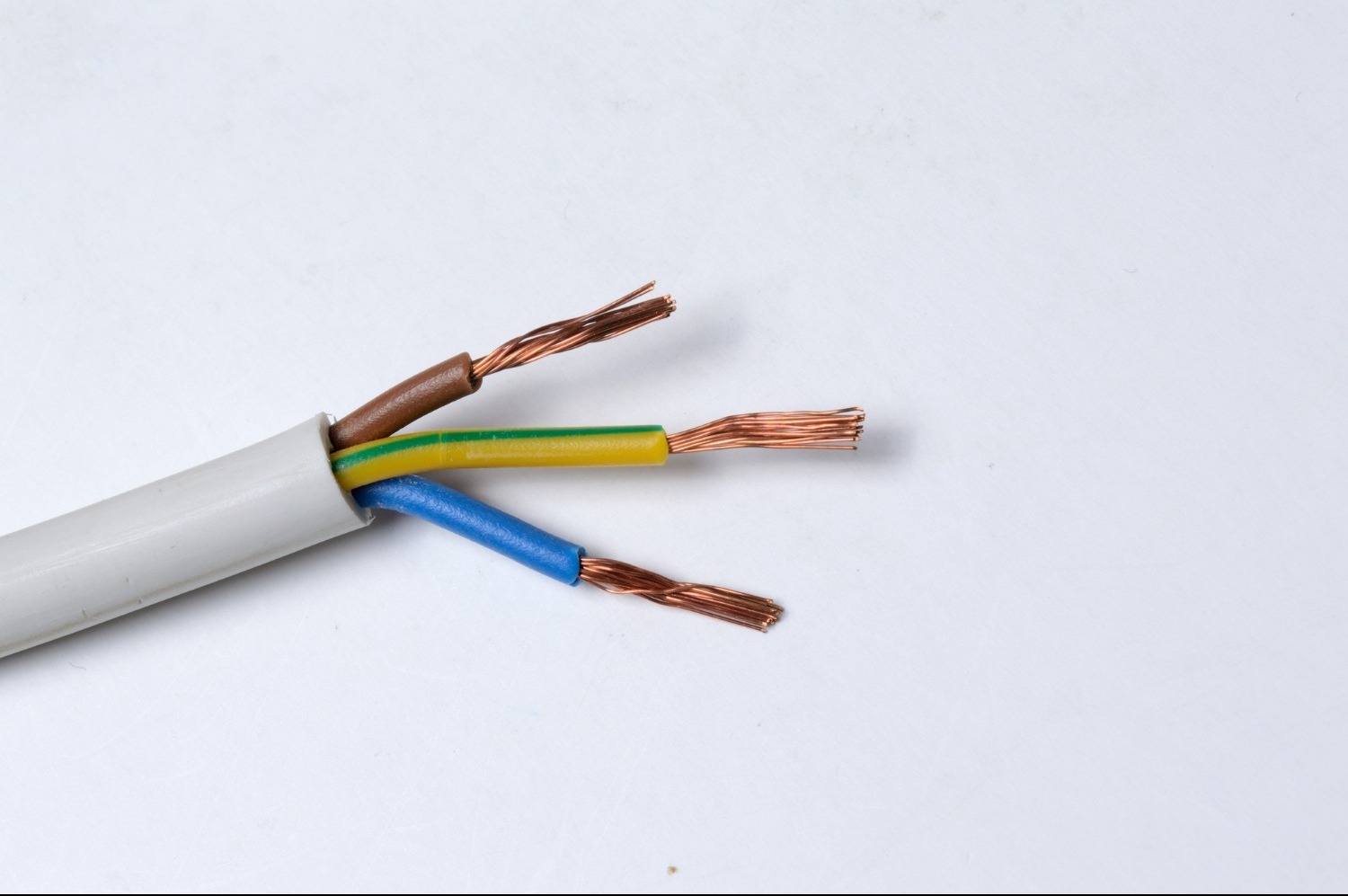
A flexible copper cable generally uses multiple fine copper strands rather than relying on a single rigid conductor. These strands provide greater flexibility, making the cable easier to route and terminate in applications where movement or compact installation conditions are involved.
The round outer profile can also make routing convenient in suitable conduits, equipment and electrical assemblies.
Common considerations include:
- Number and size of conductors
- Copper conductor specification
- Insulation material
- Outer sheath construction
- Voltage requirement
- Operating environment
The exact cable should always be selected according to its intended application.
Where Are Flexible Copper Cables Used?
Applications vary considerably depending on cable construction. Flexible cables may be found in electrical equipment, machinery connections, control applications, appliances and other installations requiring manageable cable routing.
R K Enterprises manufactures and supplies electrical cable solutions in Delhi for different residential, commercial and industrial requirements, including flexible copper cable applications.
The important point is that flexibility should not be confused with universal suitability. A flexible cable designed for one application should not automatically be used for another without checking its specification.
Why Stranded Copper Construction Helps
Fine-stranded conductors allow the cable to bend more readily than many rigid conductor designs. This can make installation easier where cables must pass around equipment, through enclosures or along routes containing several bends.
Flexibility can also help installers during termination, particularly in confined panels or equipment spaces.
However, installers should still follow the recommended minimum bending radius. Repeated sharp bending can place unnecessary mechanical stress on both conductors and insulation.
Check More Than Flexibility
Buyers sometimes focus heavily on how soft or flexible a cable feels. That alone is not enough to determine suitability.
Consider the complete specification, including conductor cross-sectional area, insulation, sheath, voltage requirements and installation conditions.
For businesses across Delhi and surrounding industrial markets, this becomes especially important when cables are purchased in larger quantities for equipment manufacturing or electrical projects.
Store and Handle Cable Properly
Cable quality can also be affected by poor handling after purchase. Coils and drums should be stored in appropriate conditions and protected against unnecessary physical damage.
During installation, avoid excessive pulling, twisting and tight bends.
Round copper flexible cables provide practical advantages when an electrical application requires easier routing and handling. Selecting the right construction for the actual load, environment and equipment helps installers make effective use of that flexibility without compromising the intended electrical design.