

A surveillance camera is only one part of a CCTV system. The cable connecting cameras to recording and supporting equipment also plays an important role in transmitting video signals and, depending on the system design, supplying power.
Choosing the correct CCTV cable is therefore essential when planning surveillance installations for homes, offices, shops, warehouses and commercial properties in Delhi.
What Does a CCTV Cable Do?
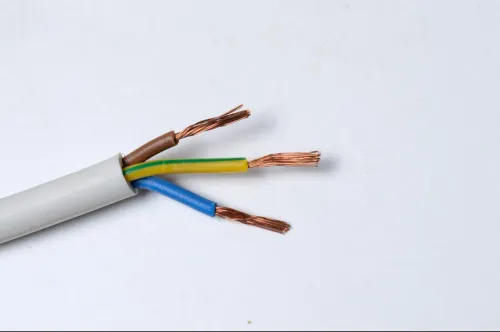
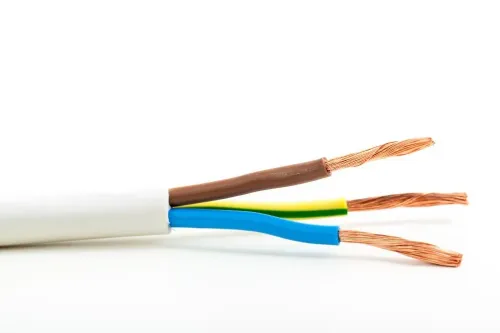
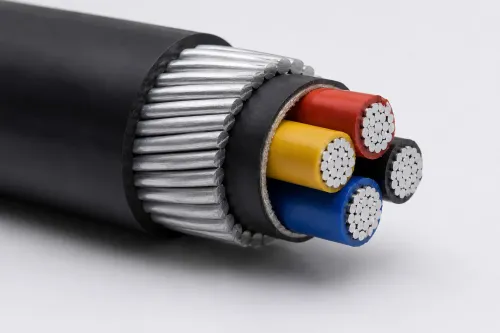
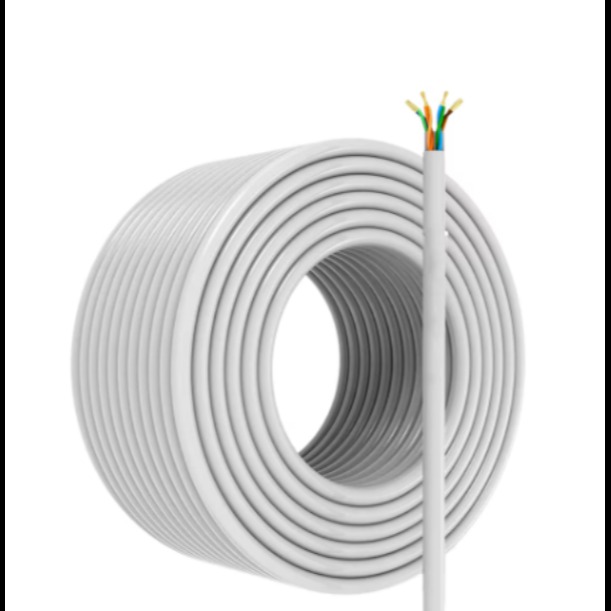
The exact function depends on the surveillance system being installed. In conventional analogue CCTV installations, coaxial cable is commonly used for transmitting video signals. Some cable configurations combine video transmission and power conductors within one convenient construction.
This can simplify installation where both connections need to reach the camera location.
Before purchasing cable, installers should identify:
- Camera technology
- Transmission distance
- Power arrangement
- Recorder compatibility
- Indoor or outdoor routing
- Installation environment
These factors determine which cable construction is appropriate.
Cable Quality Influences Installation Reliability
A CCTV system may use capable cameras and recording equipment, but inappropriate cabling can still create problems. Signal degradation, unstable connections and difficult maintenance can sometimes be linked to poor cable selection or installation.
The conductor, shielding and insulation should therefore be evaluated carefully.
R K Enterprises supplies cable solutions for customers in Delhi, including CCTV cable requirements for residential, retail, institutional and commercial surveillance projects.
Consider the Installation Distance
Cable length matters because signals and power behave differently over increasing distances. A cable specification suitable for a small shop may not necessarily be appropriate for a large warehouse or multi-floor building.
Installers should map camera positions before procurement and calculate realistic cable runs rather than estimating only straight-line distances.
Allow for:
- Vertical cable routing
- Corners and bends
- Equipment-room positioning
- Service loops
- Future maintenance access
Accurate planning reduces unnecessary joints and material shortages during installation.
Indoor and Outdoor Conditions Are Different
A cable routed inside a protected office environment faces different conditions from one installed through outdoor areas, parking zones or exposed service routes.
The cable should be selected according to the actual environment and installed with suitable protection wherever required.
Delhi properties can include a mixture of indoor, semi-outdoor and outdoor camera locations. Treating every cable run identically may therefore be unsuitable.
Plan CCTV Cabling Before Camera Installation
Cabling should ideally be considered during surveillance system design rather than after cameras have already been positioned.
A simple site plan showing camera points, cable routes, recording equipment and power arrangements can help installers determine quantities and suitable cable types.
Reliable CCTV infrastructure begins with matching the cable to the system. Buyers who assess camera technology, transmission distance, routing conditions and cable construction before purchasing are better positioned to create an organised surveillance installation.