

Electrical wiring is one of the most important parts of any residential property. Switches, appliances and lighting fixtures may remain visible, but the house wire installed behind walls carries the electrical load every day. Choosing the right wire therefore affects electrical reliability, installation quality and long-term maintenance.
For homeowners, builders, electricians and electrical contractors in Delhi, wire selection should be based on the actual circuit requirement rather than simply choosing a commonly available size.
Why House Wire Selection Matters
Different circuits within a home carry different electrical loads. A lighting circuit does not necessarily require the same wire specification as an air conditioner, geyser or other high-load appliance.
Important factors to consider include:
- Conductor material and quality
- Appropriate conductor size
- Insulation quality
- Current-carrying requirement
- Flexibility during installation
- Compatibility with the intended circuit
- Applicable electrical specifications
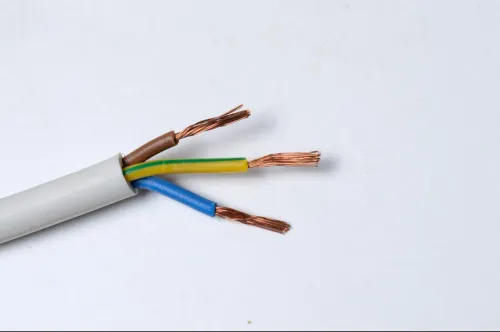
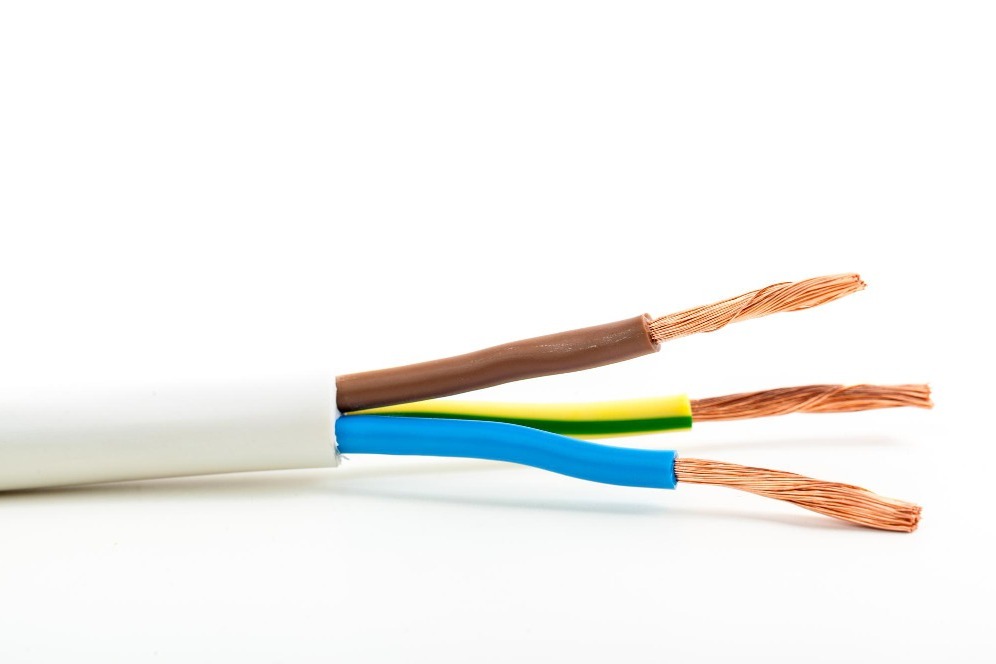
Copper conductors are widely used in residential wiring because of their conductivity and suitability for many household electrical applications.
Match the Wire to the Circuit
One common mistake is treating all residential circuits in the same way. Modern homes often contain multiple high-load appliances, making proper circuit planning increasingly important.
A qualified electrician should calculate the expected load and determine the appropriate conductor size. Undersized wiring may experience unnecessary heating, while unnecessarily oversized wiring can increase project costs without providing a practical advantage.
R K Enterprises serves electrical cable requirements in Delhi, including house wiring applications where buyers need specifications suited to different installation needs.
Check the Insulation Carefully
The conductor is only one part of a house wire. Insulation provides an essential protective layer around it.
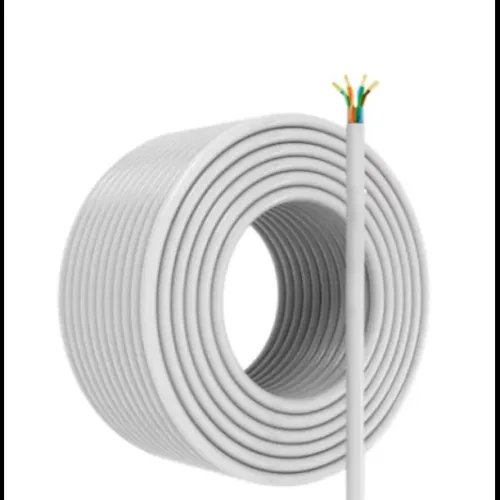
When assessing PVC-insulated house wires, buyers should look for consistent insulation thickness, proper finishing and suitability for the intended electrical environment. Poor-quality insulation can make installation and long-term cable performance less dependable.
The wire should also be easy for electricians to route through conduits without unnecessary difficulty.
Delhi Homes Have Changing Electrical Requirements
Residential electrical demand has changed significantly. Air conditioners, modular kitchens, water heaters, computers, entertainment equipment and home automation devices can increase the number and type of circuits required.
For properties in Delhi and the wider Delhi region, electrical planning should therefore consider present requirements as well as reasonably expected future loads.
A useful approach is to prepare a circuit-wise load plan before purchasing wires. This helps determine which wire specifications are required and prevents random buying.
Avoid Choosing House Wire on Price Alone
A lower purchase price may appear attractive when wiring an entire property, but electrical wires are expected to remain installed for many years. The better approach is to compare conductor specification, insulation, application suitability and manufacturing consistency along with cost.
Proper house wire selection begins with understanding the electrical load. Once the circuit requirements are clear, homeowners and contractors can choose wiring that supports a well-planned residential electrical system.